Library Newsletter Ideas: How to Create a Newsletter Patrons Actually Read

Whether it’s waiting at the circulation desk, arriving in a mailbox, or landing in an inbox, a well-planned newsletter gives library patrons another reason to connect with your library and creates a more united sense of community and belonging. It can introduce a new collection, fill seats at an upcoming program, highlight helpful resources, celebrate what’s happening locally, and, best of all, keep your library top of mind between visits.
With the right mix of timely information, engaging content, and thoughtful design, you can create a publication people look forward to reading. Here are some practical library newsletter ideas to help you get started.
In This Guide:
Feel free to read on or simply jump to:
- Why Every Library Needs a Newsletter
- What to Include in a Library Newsletter
- Print vs. Email Library Newsletters – Which is Better?
- Tips for Designing an Effective Library Newsletter
- How Often Should Libraries Send a Newsletter?
- How to Measure Your Library Newsletter’s Success
- How to Save Time with Professional Library Newsletter Templates
- Frequently Asked Questions (FAQ)
Why Every Library Needs a Newsletter
Your library offers programs, services, collections, and valuable resources your community benefits from every day. A regular newsletter gives you a reliable way to share what’s happening and encourages people to take the next step, whether that means attending an event, checking out a book, or simply stopping by. It’s a fantastic way to market the library and build community.
Newsletters help libraries:
- Keep patrons informed
- Promote events and programs
- Encourage resource circulation
- Support fundraising efforts
- Build community connections
Most importantly, a newsletter creates another consistent point of connection. Even when patrons aren’t inside the library, you have an opportunity to remind them of everything waiting for them when they return.
What to Include in a Library Newsletter
Wondering what to put in your library newsletter each month? Start with the information your patrons need most, then add content that helps them discover something new or feel inspired. A good mix of practical updates, useful resources, and community-focused stories gives readers plenty of reasons to keep opening — or picking up — each issue of your library newsletter.
Here are a few library newsletter content ideas to keep in rotation:
- Upcoming events: Give patrons an at-a-glance look at book clubs, workshops, guest speakers, family activities, and other programs coming up on the calendar.
- Storytime schedules: Help parents and caregivers plan their visits by sharing dates, times, age groups, themes, and registration details when applicable.
- Seasonal reading programs: Build excitement before your program begins! Share reminders throughout the season and celebrate milestones and accomplishments along the way.
- New books: Introduce recent additions to your shelves and give readers a reason to start their next library visit with a trip through the new releases.
- Staff picks: Let your team share what they’re reading, watching, or listening to. These recommendations also give patrons an opportunity to get to know the people behind their library.
- Digital resources: Remind patrons about eBooks, audiobooks, research databases, online learning tools, and other resources they can access outside the building.
- Local history features: Dig into your archives and collections to share photographs, stories, milestones, or interesting pieces of your community’s history.
- Volunteer opportunities: Let readers know what help is needed around the library and how they can contribute their time and talents.
- Friends of the Library news: Share updates, upcoming sales, fundraisers, membership information, and other news from your Friends group if your library has one.
- Community partner spotlights: Introduce the local organizations you partner with and highlight the programs, resources, or opportunities they make possible.
- Book recommendations: Create reading lists around seasons, genres, holidays, community interests, or a timely theme.
- Technology classes: Promote upcoming opportunities for patrons to build digital skills and include the information they need to register if this is something your library provides.
- Holiday hours: Make schedule changes easy to spot so patrons can plan their visits accordingly.
- Library card reminders: A quick reminder about signing up for, renewing, or using a library card can also be an opportunity to highlight everything a card gives patrons access to.
Don’t worry! You don’t need to fit all of these ideas into every issue. Choose the content that matters most for the newsletter issue you are creating, keep the mix fresh, and give your patrons something useful to discover each time they read.
LPi’s Newsletter Templates Help Libraries Hit the Ground Running
If you feel overwhelmed by the amount of great ideas you have but need help turning them into a library newsletter, that’s where LPi comes in! Every new LPi newsletter customer receives a complimentary, custom-designed template created to reflect their unique library. Once your template is ready, our team provides one-on-one training and ongoing support to help your staff feel confident creating each new issue!
If your library’s visual identity could also use some attention, we can help there, too! LPi offers professional branding services for libraries across the nation, from logo design to complete branding packages that can carry your library’s look across your newsletter and other communications.
Learn more about LPi’s print and digital publication services or explore LPi logo and branding services.
Print vs. Email Library Newsletters – Which is Better?
Should your library newsletter be printed, emailed, or both? There are benefits to each format, and offering both gives your community the flexibility to choose how they prefer to stay informed.
A printed library newsletter gives you something tangible to place at the circulation desk, information desk, community events, or other high-traffic areas. Patrons can pick up a copy while they’re already at the library, take it home, put it on their refrigerator or coffee table, or even pass it along to someone else. Print can also help you reach patrons who may not regularly interact with your library online.
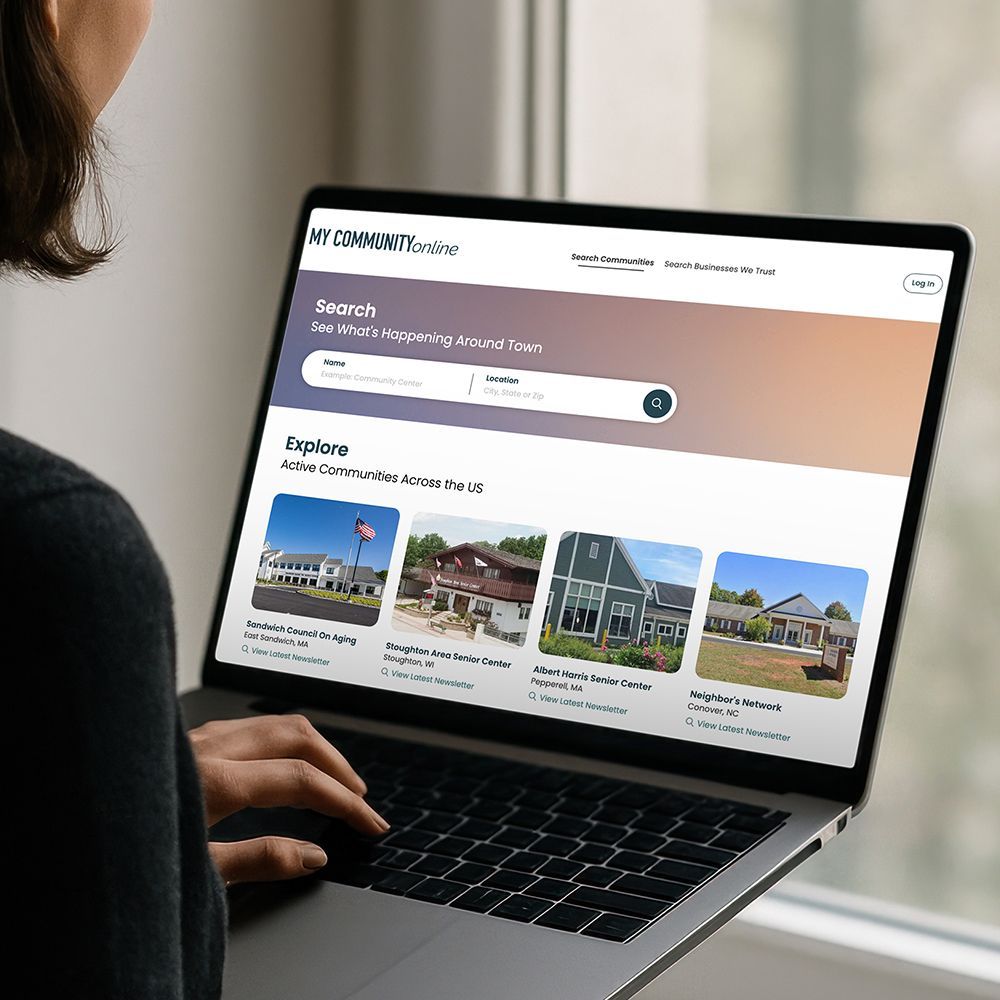
An email library newsletter lets you reach patrons directly and quickly. Readers can click through to event registrations, your online catalog, digital resources, donation pages, or additional information linked to your website. Digital formats can also be texted to patrons if you have an SMS list and easily shared across social media platforms.
For many libraries, the answer shouldn’t have to be one or the other. Using print and digital newsletters together gives patrons more opportunities to see your message and engage with the library in the format that works best for them. When you publish your newsletter with LPi, you can do both automatically!
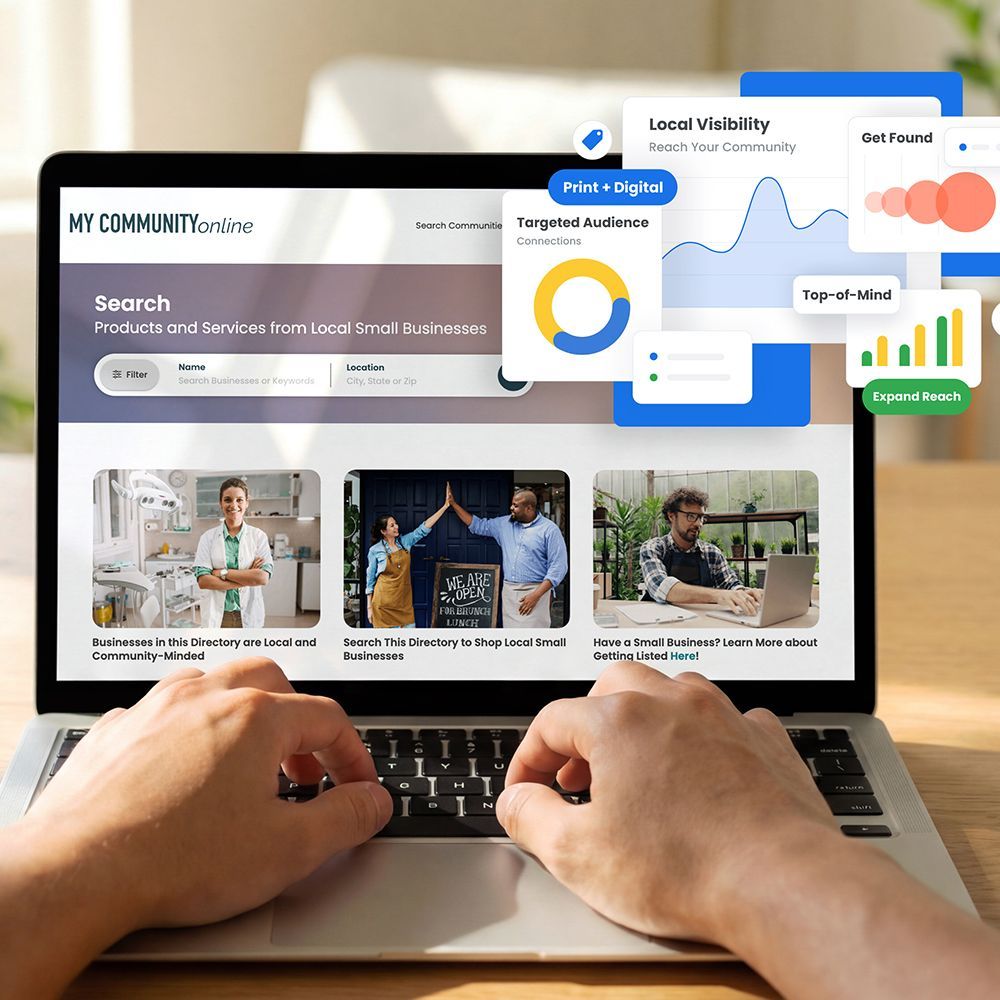
LPi’s community newsletter services bring print and digital communication together seamlessly (with no extra work for you!), helping your library extend the reach of each issue beyond the copies available inside your building. Your professionally printed newsletter gives patrons something tangible to take home, while digital newsletter access gives your community another way to stay connected.
LPi works alongside your team with custom newsletter design, printing and distribution, digital options, and ongoing support. The result is a consistent library publication that can reach patrons in more places without adding another major project to your staff’s already-full plate.
Learn more about how to start a newsletter for your library with our How to Start a Newsletter with LPi quick guide to see how simple the process can be.
Tips for Designing an Effective Library Newsletter
Great content can get lost if readers have to work too hard to find it in your library’s newsletter. As you design your library newsletter, think about how a patron will actually read it — including those who might only have a minute to skim your latest issue.
A few simple design choices can make a big difference:
- Write clear headlines. Help readers quickly understand what each section is about and find the information that interests them.
- Use engaging photos. Photos from programs, library spaces, collections, and your community can break up text and help tell your library’s story.
- Keep articles short. Give readers the most important information first, then direct them to your website when there’s more to learn.
- Stay consistent with your branding. Use your library’s colors, fonts, logo, and other visual elements consistently so each issue feels familiar and recognizably yours. Don’t have a great brand?
LPi can help!
- Create an easy-to-read layout. Use sections, headings, white space, and a clear visual hierarchy to make the newsletter inviting and easy to scan. Remember, with LPi,
libraries get a free custom-made newsletter template to fit their exact needs, taking this step off your plate!
- Include strong calls to action. Tell patrons what to do next: Register for the program. Browse the collection. Visit the website. Get a library card. Donate. Join the Friends of the Library.
Above all, make sure your design is specifically made for your patrons. A clean, welcoming newsletter makes it easier for readers to find something that catches their attention and better connects them to your library.
How Often Should Libraries Send a Newsletter?
For many libraries, a monthly newsletter is a practical place to start. It gives enough room to promote upcoming programs, share library news, and highlight resources without overwhelming patrons, or creating an unrealistic workload for your staff.
The right schedule, though, ultimately depends on your library. A busy system may supplement its monthly newsletter with shorter email updates or social media posts, while another library may find that a quarterly publication works better for their needs.
Whatever schedule you choose, consistency is key. Make printed copies available in predictable places throughout the library, and establish a regular schedule for sending digital issues so patrons know when to expect them. It can take time to build a habit, so don’t drop off your schedule! Keep at it and, over time, your newsletter will grow in popularity among your community!
How to Measure Your Library Newsletter’s Success
How do you know whether your library newsletter is working for you? It’s important to look beyond the numbers, like those of copies distributed or emails sent, and pay attention to what your patrons’ actions are after reading.
Depending on your newsletter format and goals, you can track:
- Event attendance
- Website visits
- Program registrations
- Patron feedback
You can also watch for patterns over time. Did registration increase after you featured a program? Are digital readers consistently clicking certain types of content? Do patrons mention the newsletter when they visit?
These insights can help you decide which topics or sections deserve more space in your newsletter and what to shorten. Don’t stress about measuring every little thing. Focusing on a few indicators that connect directly to what your library hopes its newsletter will accomplish is a great start.
How to Save Time with Professional Library Newsletter Templates
Working with a professional newsletter partner can take some of the design and production work off your plate while helping you publish a polished, consistent newsletter your library is proud to share.
LPi works with community organizations to make newsletter creation easier. Our professional designers help create a custom newsletter template that reflects your library’s branding, and LPi newsletter customers receive professional redesign support to keep their publications looking fresh. Need a stronger visual identity first? LPi also offers professional branding and design services to help organizations like libraries create a cohesive look across all their communications.
Once your newsletter is ready to publish, LPi helps you reach readers in print and digitally with just the click of a button. When you upload an issue for printing, LPi automatically creates a digital version, which can then be distributed by email, shared online, or displayed on your website.
The goal is simple: spend less staff time worrying about newsletter design and production and more time serving your community.
Want more help? Explore our guides to community newsletters, reader-friendly newsletter layouts, and newsletter formatting, or learn more about LPi’s newsletter services.
Frequently Asked Questions:
The following is a list of the most common questions we have encountered while working with libraries to create the perfect newsletter for their organization.
What should a library newsletter include?
Upcoming events, new books, staff recommendations, community news, technology classes, volunteer opportunities, and important library announcements.
How often should libraries send newsletters?
Most public libraries benefit from sending a monthly newsletter, though some supplement it with weekly email updates for events.
Are printed library newsletters still effective?
Yes. Printed newsletters continue to reach patrons who visit the library in person, while email newsletters help engage readers between visits.
What is the best format for a library newsletter?
The most effective newsletters combine concise articles, engaging images, clear section headings, and calls to action that encourage patrons to register for programs, borrow materials, or visit the library.
How do newsletters help libraries?
Newsletters increase awareness of library programs, encourage community participation, promote collections and services, strengthen relationships with patrons, and can even support fundraising and volunteer recruitment.
Share
You might also like