How to Repurpose Blog Articles into Other Engaging Content

While blogging is an investment of time and talent, it remains one of the best ways to attract an audience and
tell your organization’s story. A blog allows you to connect, engage, and build relationships with those interested in what you have to offer.
But developing and managing a blog requires ongoing effort, especially when it comes to creating new, meaningful content regularly. So, once you’ve built up an inventory of strong blog content, make the most of it by finding other ways to repurpose your posts. Turning blog content into newsletter copy, video scripts, podcasts, and social media posts is one of the smartest productivity moves a creator can make.
Repurposing existing blog content maximizes the value of each post, extends reach across different audiences and platforms, and saves time. It also helps you present a consistent message to your audience. If you aren’t quite sure how to do that, this practical, step-by-step guide will help you make the most of your blog effectively and creatively.
Getting Organized to Repurpose Blog Content
To figure out what blog content to repurpose, consider the following:
- Choose the right posts: Start by taking an objective look at your blog inventory. Not every post is worth repurposing. Focus first on content that performed well (traffic, engagement, social shares) or addresses evergreen topics that remain relevant. Also look for posts with clear, actionable takeaways, strong narratives, or data-driven insights — these translate easily into other formats.
- Break posts into pieces:
Think of each blog post as a toolbox of components: headlines, subheadings, key points, quotes, statistics, anecdotes, images, and calls to action. Extract these elements and store them in a content library or spreadsheet. This makes it simple to combine content into different outputs without reworking an entire piece. And you can use the elements, especially those related to evergreen topics, again and again.
Turning Blog Posts into Newsletter Content
Newsletters are ideal for driving deeper engagement with an existing audience and staying top of mind. Options include:
- Summary: Turn a long post into a short, scannable newsletter article. Write a one-paragraph intro, include three or four key takeaways, and then add a “Read more” link to the full article on your blog if you are distributing it digitally, or a QR code link to your blog if it’s a print publication.
- Series: Break a long or complex post into a newsletter column series that explores subtopics across several days or weeks. These are an especially useful way to answer popular questions/concerns you hear most often.
- Personal reflection: Use the post as a prompt for a behind-the-scenes note that shares your process, updates, or related resources — this builds familiarity and loyalty.
- Resource roundup:
Combine several related posts into a curated list of tips or tools in a single newsletter. These are often popular with readers.
Developing Video Scripts from Blog Content
Video requires a different rhythm and tone. Use your post’s outline to create a script that’s conversational and visual:
- Hook (5–15 seconds): Grab attention with a striking stat, question, or promise from the post.
- Tease and roadmap (10–20 seconds): Briefly tell viewers what they’ll learn and why it matters.
- Main content (2–8 minutes for short form; longer for deep dives): Convert each subheading into a segment. Use anecdotes, examples, and visuals. Replace long paragraphs with short sentences and speech-friendly language.
- Visual prompts: Add notes with ideas for B-roll, cutaways, on-screen text, or slides where data or examples appear.
- Call to action:
End with a clear, concise call to action. It could be an invitation to subscribe, a cue to visit the blog, or a prompt to download a free guide or tool.
Adapting Blog Content for Podcasts
Podcasts thrive on conversation and storytelling. Repurposing a blog post into an episode can be done in several ways:
- Interview:
Invite an expert or someone referenced in the post, using the original content as a question guide. This adds new perspectives and makes the material feel fresh.
- Panel or roundtable: Gather colleagues to discuss and debate the post’s ideas.
- Serialized episodes:
As with newsletters, a long post can be split into a series of episodes, each focused on a single theme or case study.
Creating Microcontent for Social Media
Short-form content drives discovery and traffic. Pull quotes, stats, and single tips from your blog for:
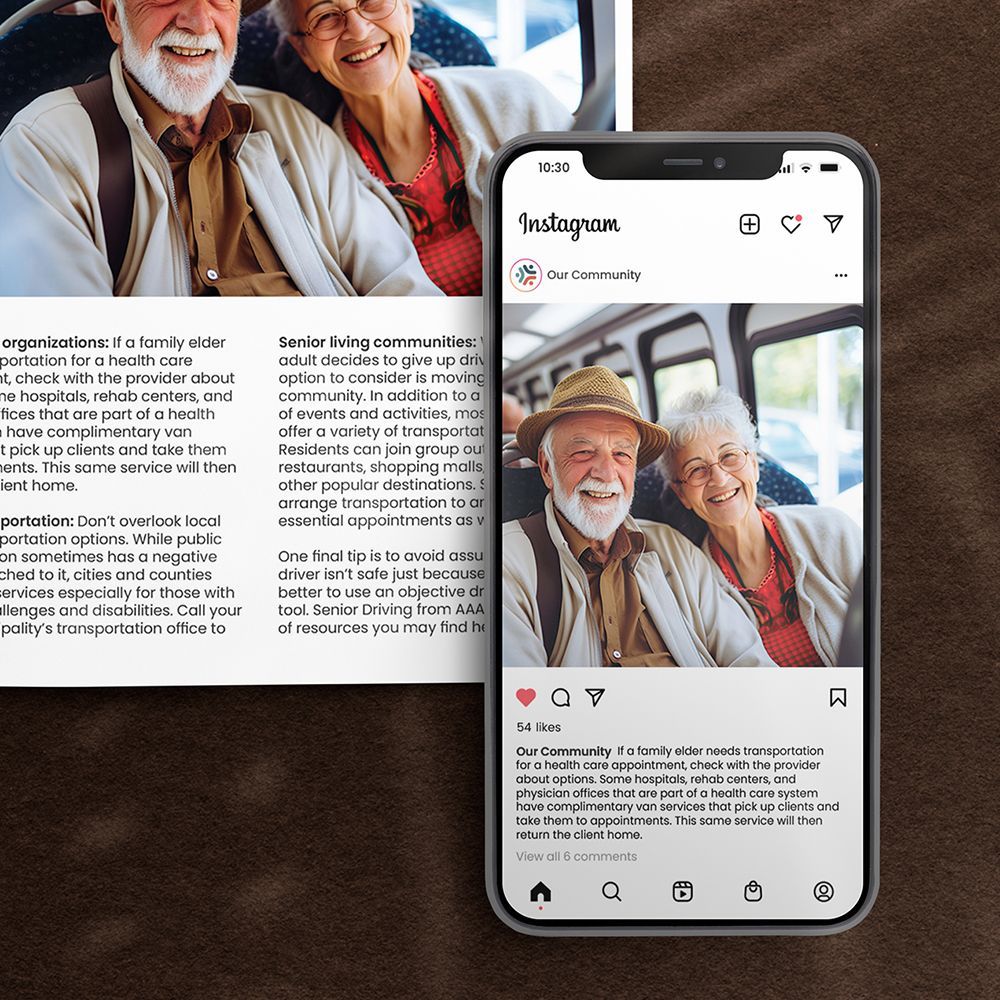
- Social posts: Facebook, Instagram, Threads, and LinkedIn can all be good resources for connecting and engaging with your target audience.
- Short videos or reels/TikToks:
This is another great way to increase engagement. Just be sure to stick to only a single point per video/reel.
Going Beyond the Blog
While a blog is a great tool for engagement, an effective website is essential. If you’re trying to take an objective look at your organization’s current website or preparing to launch one, we have a useful resource to help: The Essential Guide to Creating a Community Website That Works.
Share
You might also like