Are Senior Centers Still Relevant?

Some might assume that senior centers and community centers are relics of a pre-digital era. Reality tells a very different story. These centers remain relevant and are arguably more essential than ever, precisely because of how isolating modern life can be.
Loneliness Among Seniors and the Need for Personal Connection
Public health officials have repeatedly identified loneliness and
isolation among older adults as a serious health concern, with the negative effects of isolation actually being comparable to other well-known risk factors like smoking or obesity. Video calls and social media can supplement relationships, but they don't replace physical presence, shared meals, or face-to-face conversations that happen naturally at a senior center.
A weekly card game, a fitness class, or chats over coffee in a common room provide the type of connection needed for a healthy life. As more of daily life moves online, organizations that offer real, in-person community become a counterbalance rather than an outdated alternative.
How the Modern Senior Center Has Evolved
The false idea that senior centers are an obsolete resource stems from an outdated image of what these centers actually offer. A modern senior center’s calendar of events often looks very different from the bingo-and-bridge stereotype of decades past. While those activities may still be popular in some regions, most senior centers now also offer programs like:
- Fitness and wellness classes, from yoga to strength training
- Technology training to help members use smartphones, make video calls, and navigate online banking safely
- Arts, music, and lifelong learning/educational opportunities
- Family caregiver support groups
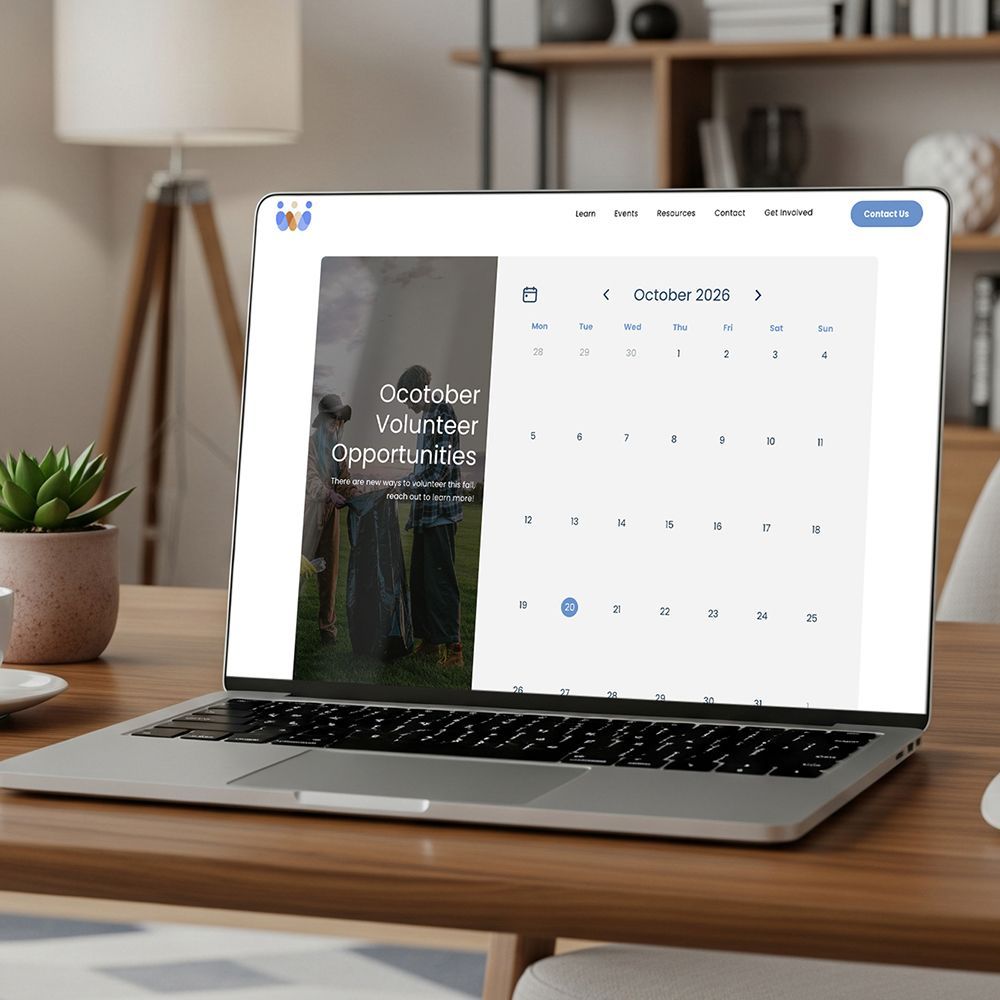
- Volunteer opportunities for active, engaged retirees
- Meal services and resources for everyday and holiday gatherings
- Outreach and community building opportunities
This evolution reflects a broader shift in how society views aging: as an active, purposeful stage of life instead of a period of decline. Centers that adapt their programming to match this shift in popular culture remain deeply relevant to the adults they serve as well as their extended families.
Senior Centers Remain a Trusted Anchor in a Changing World
Beyond specific programs and services, senior centers offer something harder to quantify: a sense of belonging and routine. For many older adults, especially those who have experienced the loss of a spouse, retirement, reduced mobility, or a health issue, their senior center becomes a place where they're known and valued. That kind of consistent, in-person community is difficult to come by as we grow older, and senior centers are perfect at providing it!
Far from becoming obsolete, senior and community centers are adapting to meet the real needs of today's older adults: combating isolation, filling practical service gaps, and supporting independence while keeping their programming relevant to each new generation reaching retirement age.
LPi Provides Tools to Support Senior Center Communication
A key part of bringing value to older adults in your community is finding ways to keep everyone connected. From
resource-driven websites to print and digital
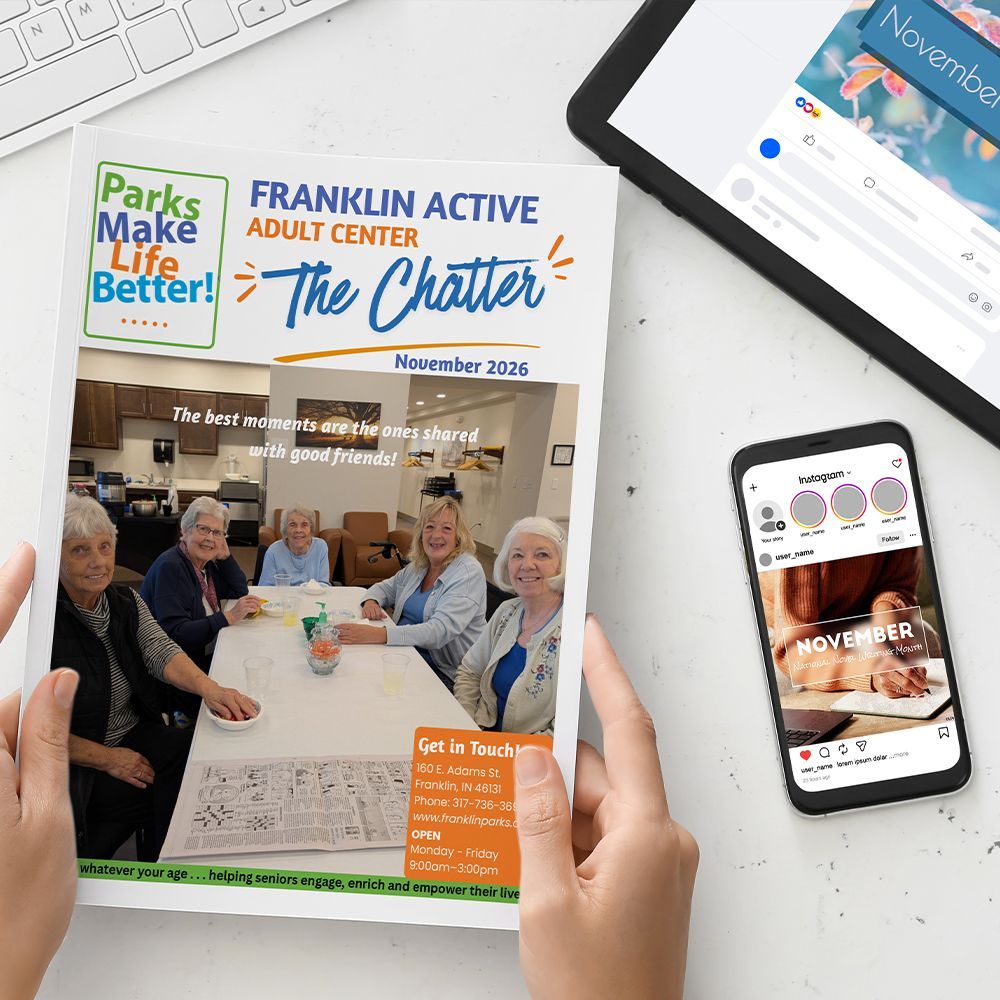
senior center newsletters, LPi has the easy-to-use tools that make communication quicker and easier for busy team members.
Contact us today to learn how we can compliment and streamline your team’s efforts!
Share
You might also like